FACILITY INFO
WELCOME TO SADO ISLAND TAIKO CENTRE (TATAKOKAN)
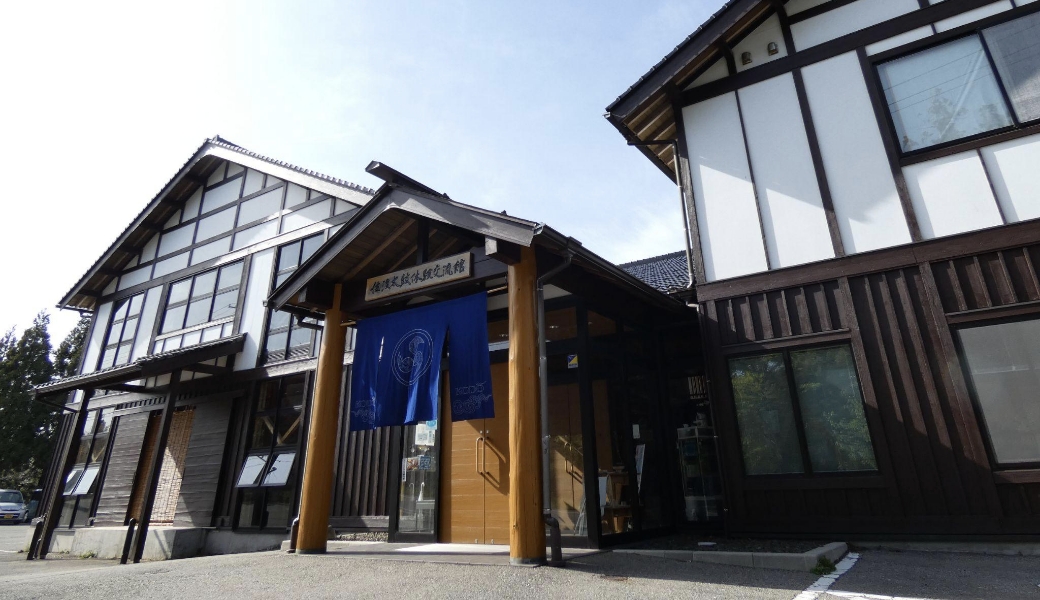
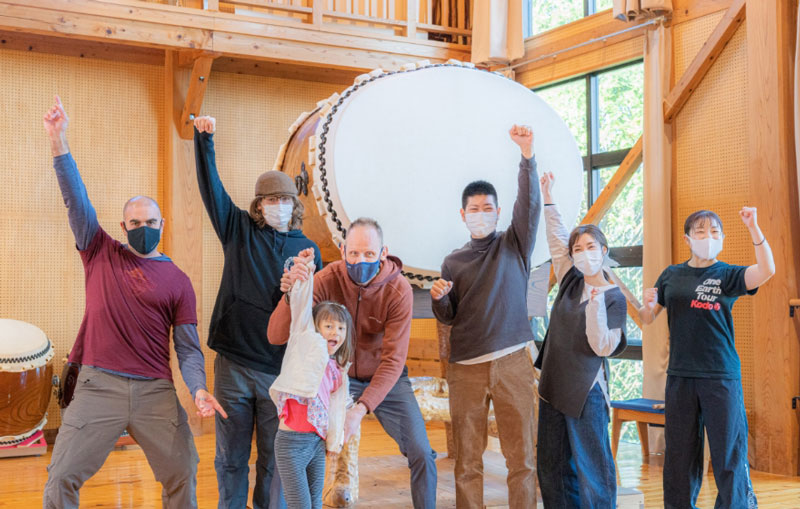
Sado Island Taiko Centre—nicknamed "Tatakokan"—sits on a hill overlooking the Sea of Japan, nestled beside the forest surrounding Kodo Village.
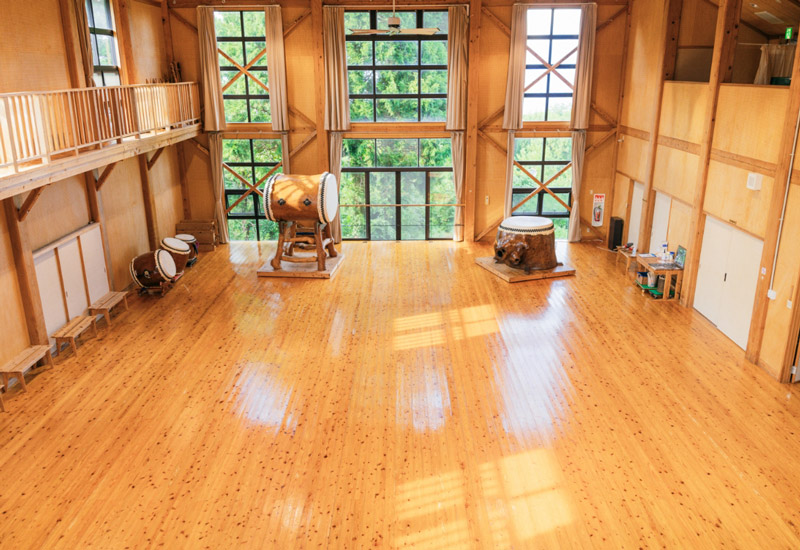
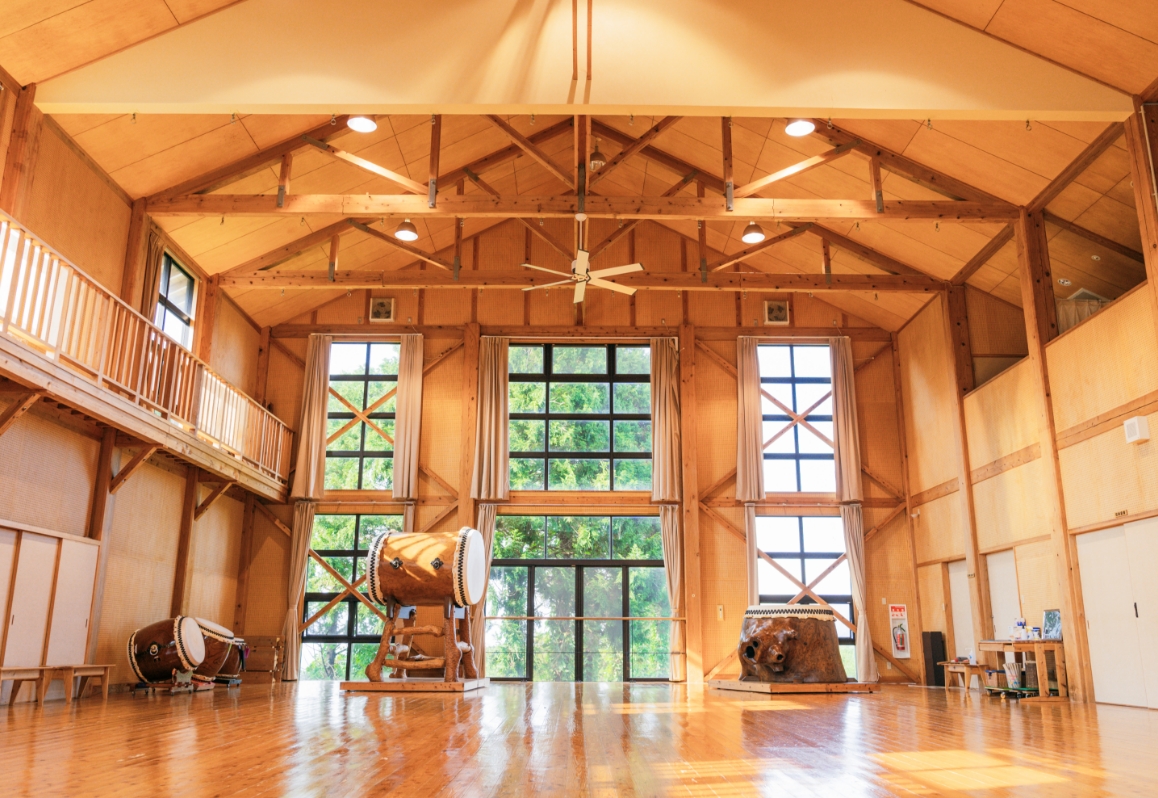
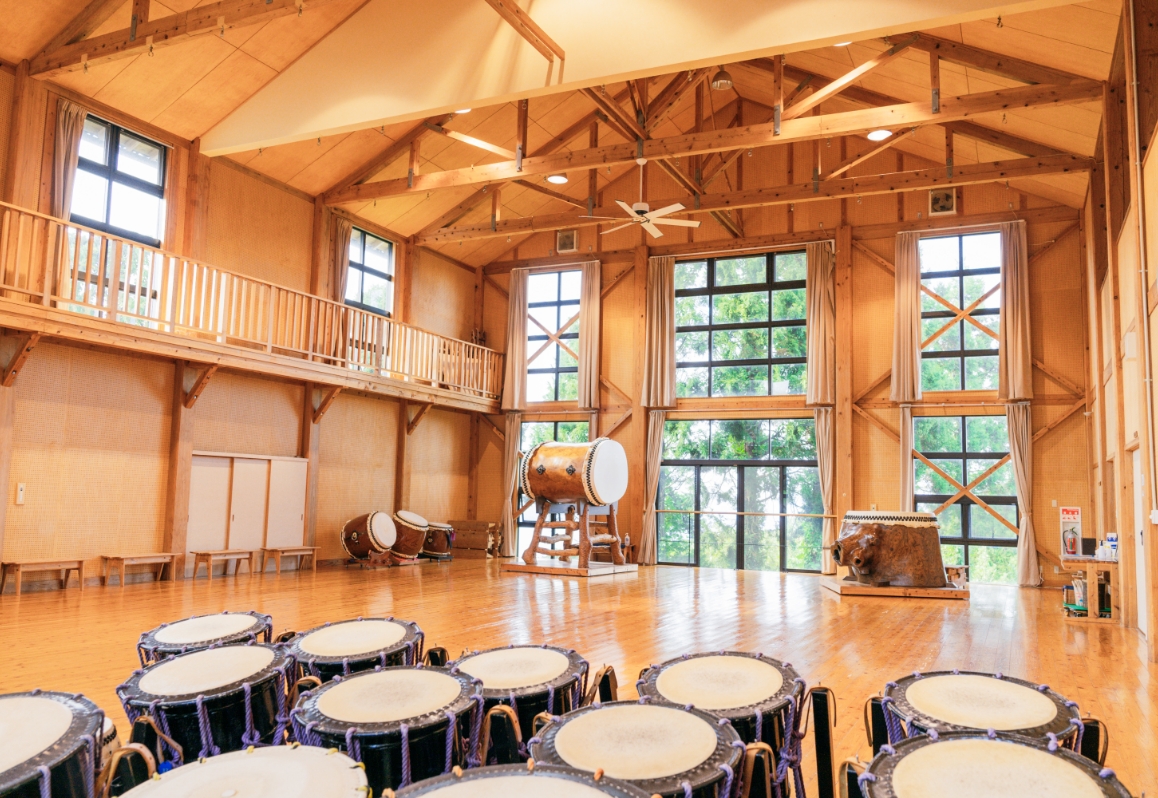
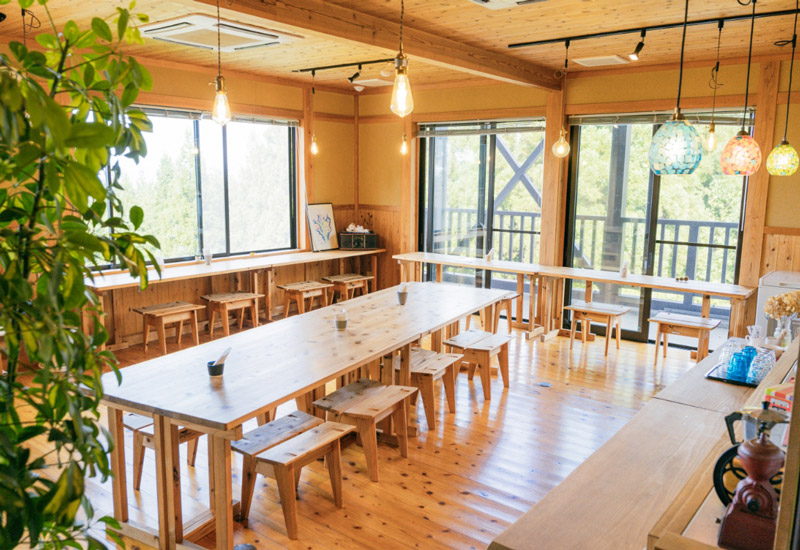
Built with locally grown timber, Tatakokan has a large hall, cafe, exhibition room, and meeting rooms.
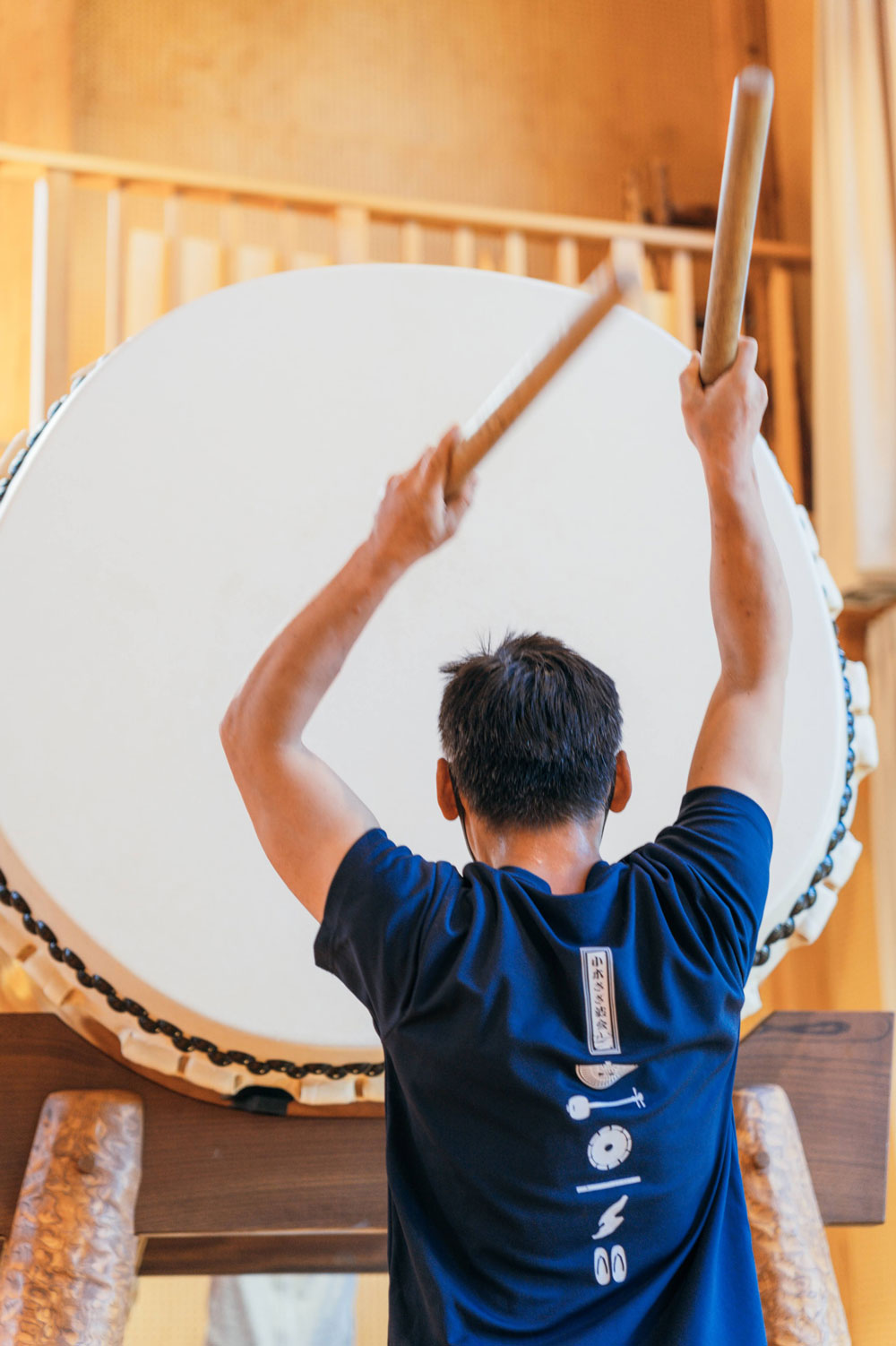
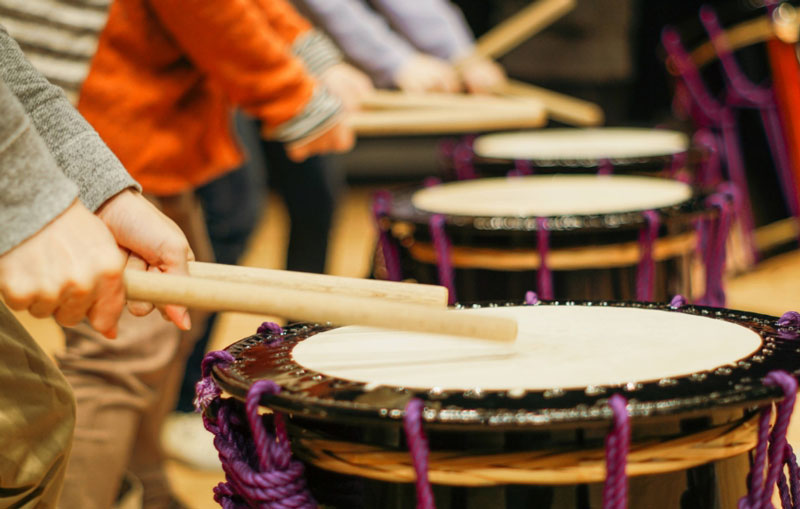
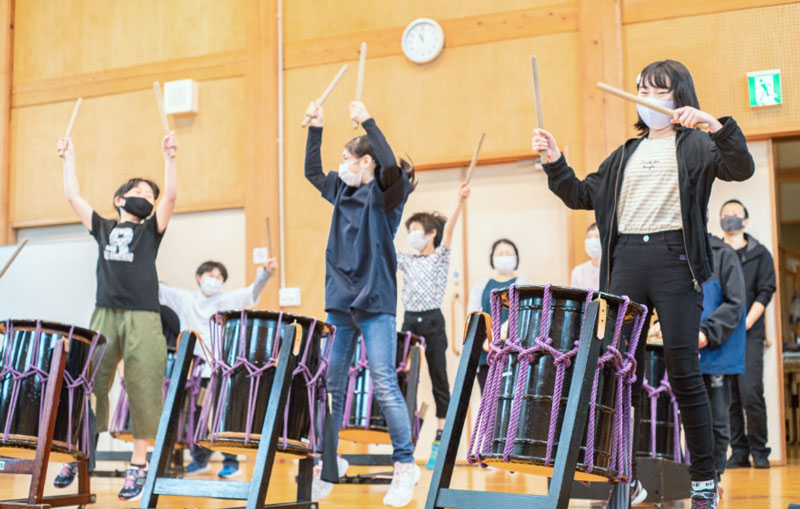
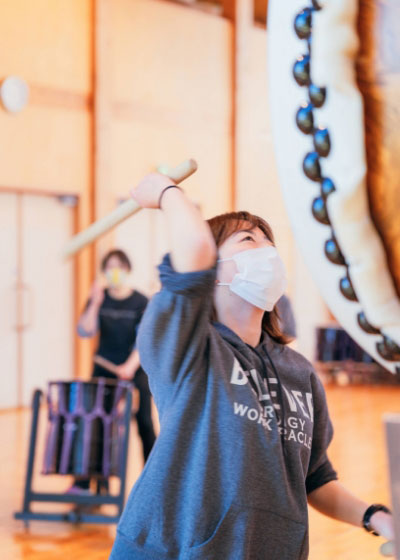
Our team warmly welcomes visitors for taiko experiences, concerts, and a wide range array of fun activities. Tatakokan is also used by the local community and visitors to Sado Island for workshops, music and performing arts practices, and a range of events.
※The main hall, cafe, large viewing deck, and reception are all located on the ground floor, which is barrier-free and has a wheelchair accessible restroom.
※Free Wi-Fi is available.
DISCOVER SADO ISLAND
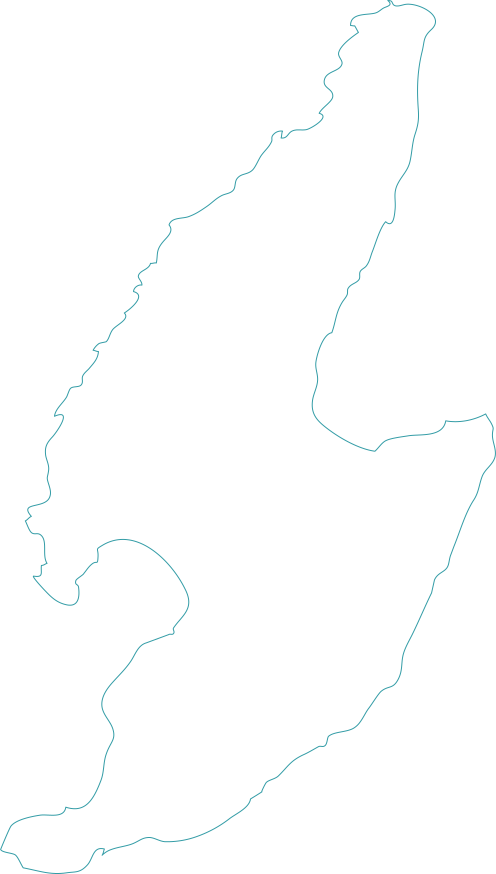
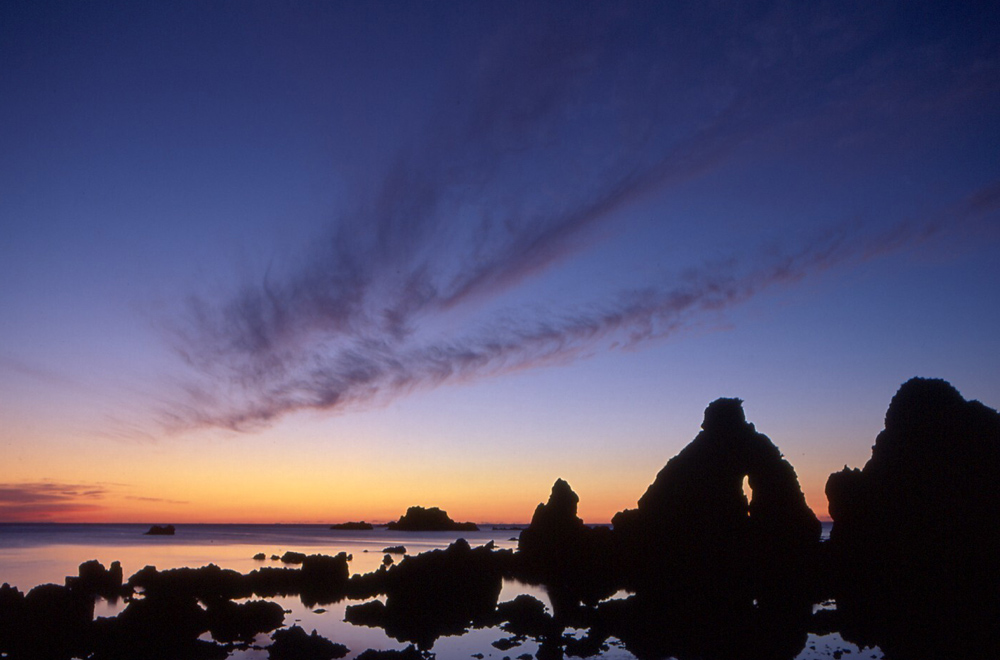
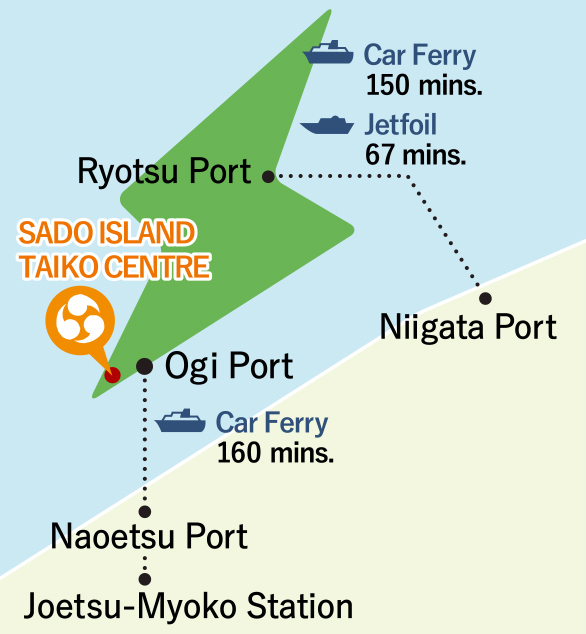
When viewed from above, Sado Island looks like a stylized letter “S” or a lightning bolt. The island’s central Kuninaka plains are home to vast grain fields. From there, the Osado Mountain Range stretches to the north, and the Kosado Mountain Range to the south.
The 38th parallel north, or latitude 38° N, passes through the center of the island. Here, the seasonal winds and ocean currents foster native vegetation found in northern and southern Japan, making Sado Island a microcosm of the Japanese isles.From the upstairs viewing deck at Sado Island Taiko Centre, you can enjoy extensive views of the northern Osado region and Mano Bay, sweeping into the central plains.
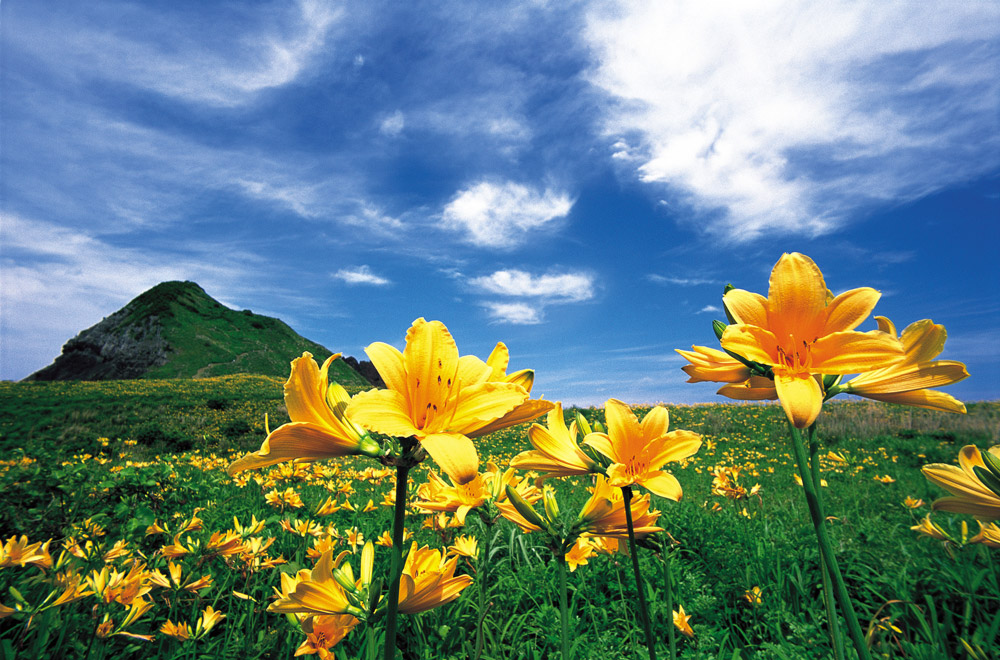
Northern Osado is home to stunning natural scenery, including Mt. Kinpoku—Sado’s highest peak; Mt. Donden—home to groves of 300-year-old Japanese cedar trees and grassy plateaus; and Onogame—a giant turtle-shaped rock where daylilies grow en masse every summer.
In central Kuninaka, people often see a thrilling sight: flocks of toki—the successfully reintroduced Japanese crested ibis—soaring through the sky. Along with more beautiful nature, Southern Kosado offers a wide range of chances to be mesmerized by craftsmanship.
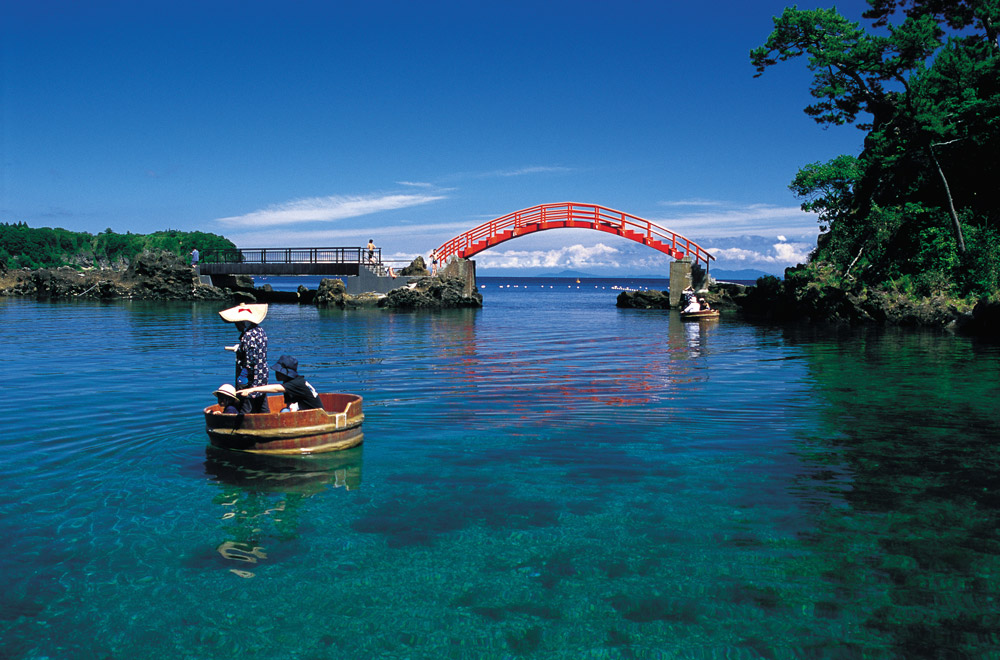
Visitors can enjoy strolling around renowned historic buildings such as Watatsu Shrine and Rengebuji, Chokokuji, and Shokoji temples; the village of Shukunegi, a designated Important Preservation Area for Traditional Buildings and Architecture; and the Iwakubi Shoryu rice terraces.
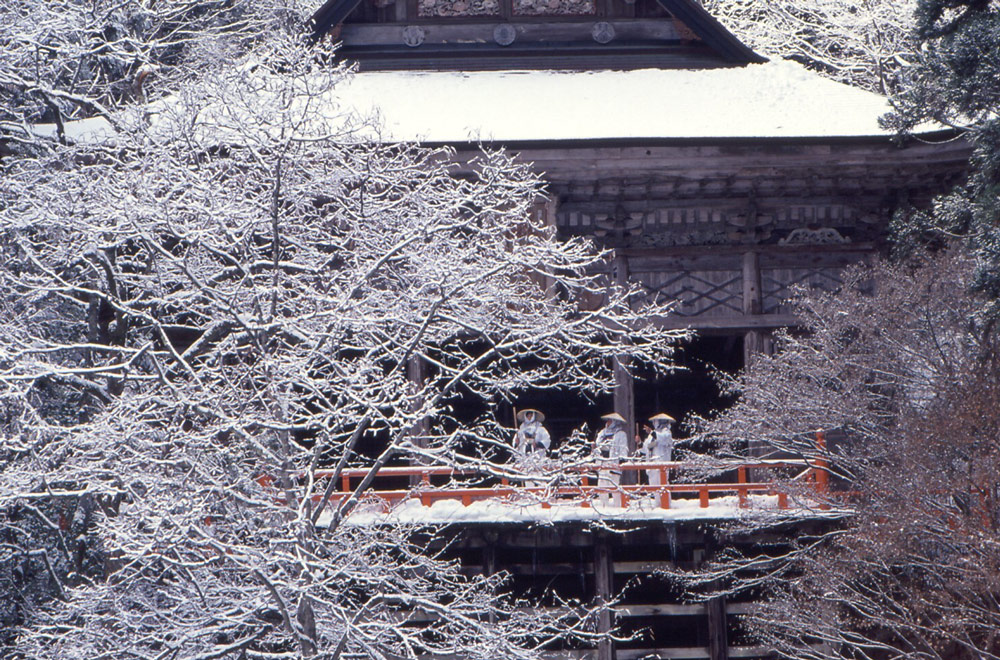
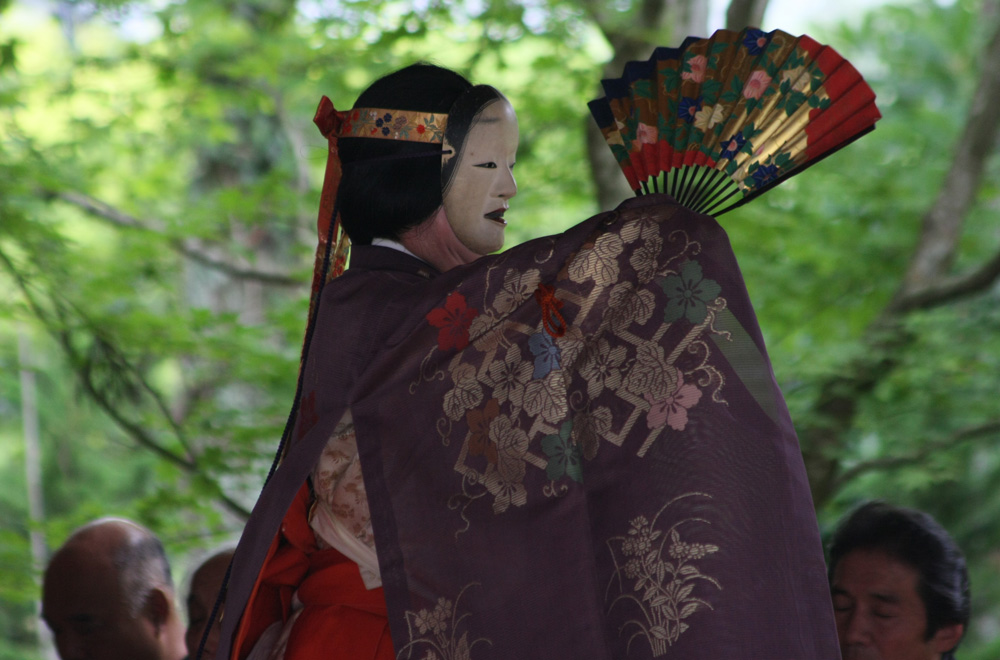
Sado Island is a veritable treasure chest of performing arts, holding regular festivals and events that uphold and celebrate its distinct folk traditions. The island is home to one third of Japan’s Noh stages and local enthusiasts perform Noh plays on a regular basis.
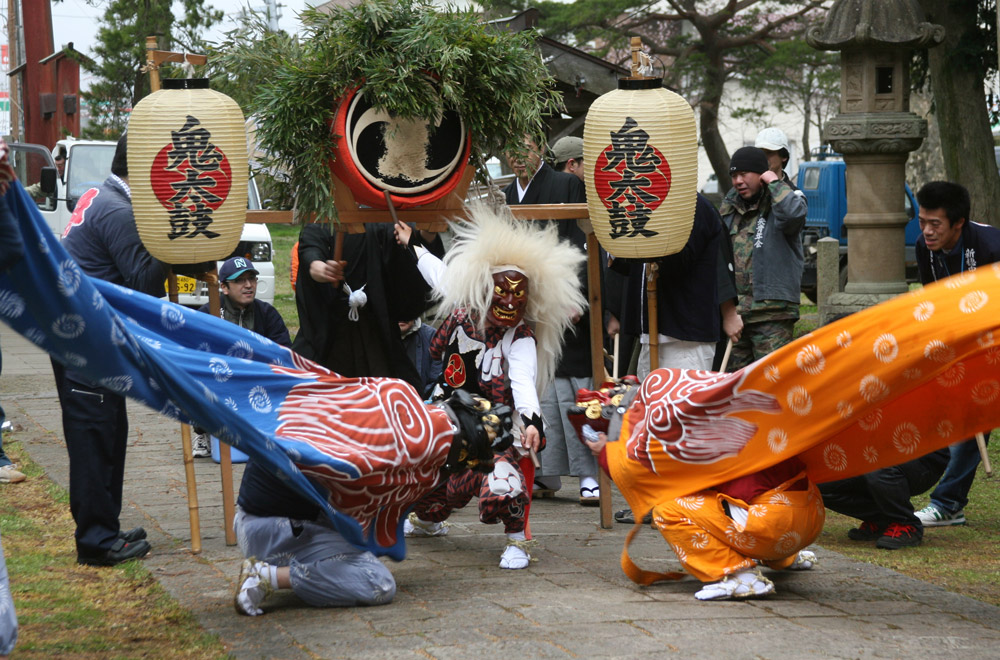
There are around 120 villages and they all hold their own annual festivals tied to seasonal, spiritual rituals. Each village has its own form of Sado’s iconic onidaiko, a demon deity drum dance that locals perform to ward off evil spirits, pray for good health and crops, and bring the community together.
ACCESS
SADO ISLAND TAIKO CENTRE (TATAKOKAN)
Open: 9:00–17:00 (For evening use,
advanced bookings are required)
Closed: Mondays (When Monday is a public holiday, the Centre will be closed on Tuesday instead.), year-end and New Year holidays, Peak Winter Period (January–February)
*Please check our News page for updates, including the exact dates for upcoming holiday periods.
150-3 Ogi Kanetashinden, Sado, Niigata, Japan
Tel. 0259-86-2320
https://tatakokan.jp/en
※Sado Island Taiko Centre is managed by Kodo Cultural Foundation.
GETTING TO SADO ISLAND
There are two ferry routes connecting mainland Niigata and Sado Island: Niigata Port–Ryotsu Port and Naoetsu Port–Ogi Port.
Recommended Train Routes from Tokyo/Osaka
[Tokyo Stn. → Niigata Stn.] Joetsu Shinkansen (2 hrs)
[Tokyo Stn. → Joetsu-Myoko Stn.] Hokuriku Shinkansen (2 hrs)
[Osaka Stn. → Joetsu-Myoko Stn.] Limited Express Thunderbird → transfer at Kanazawa Stn.→ Hokuriku Shinkansen (4 hrs total)
Buses from Train Stations to Mainland Ports
Niigata Stn. → Niigata Port (15 mins)
Joetsu Myoko Stn. → Naoetsu Port (30 mins)
Naoetsu Stn. → Naoetsu Port (6 mins)
*Notes:
(1) Shinkansen = Bullet train
(2) All times are approximate.
Please see the Sado Kisen website for information about ferry travel to Sado Island, including timetables, ticket reservations, and boarding procedures, etc. Ferry timetables are subject to change and ferries may be canceled due to weather conditions, so please check for updates before you travel.
TRANSPORT ON SADO ISLAND
Public transport options on Sado Island include buses, taxis, and sight-seeing buses. If you don’t want to worry about timetables, bringing your own car to Sado or renting one here is a great option. If you want to rent a car, advanced reservations are recommended, especially in summer. For further details about sightseeing and transport on Sado, please visit the Sado Tourism Navi website.
April 29 Update: There are currently traffic restrictions in place on the main route to Sado Island Taiko Centre due to road works in the surrounding area, which will continue until the end of August. Please see our News page for details. (You will need to take a slight detour, so please allow extra travel time.)
From Ryotsu Port to Sado Island Taiko Centre
・By Car/Taxi: Approx. 1 hour
・By Local Bus: Approx. 2 hrs 10 mins. (two transfers required)
① Take the Minami Line from Ryotsu Port Sado Kisen Terminal to Sawata Bus Station
↓
② Take the Akadomari Line from Sawata Bus Station to Ogi
↓
③ Take the Shukunegi Line from Ogi to Sado Island Taiko Centre (Taiko Taiken Koryukan)
From Ogi Port to Sado Island Taiko Centre
・By Car/Taxi: Approx. 15–20 mins.
・By Local Bus: Approx. 15–20 mins. (no transfers required)
※Bus services are infrequent on Sado Island, so please be sure to check the timetable on the Niigata Kotsu Sado website well in advance.
See here for the Sado Island bus route map (Japanese website, English translation available).
Island Transportation Inquiries
Niigata Kotsu Sado Head Office (Local Bus Services)
Tel. 0259-52-3200 (9:30–17:00)
*Japanese assistance only
For assistance in English, please use this Contact Form
FACILITY HIRE
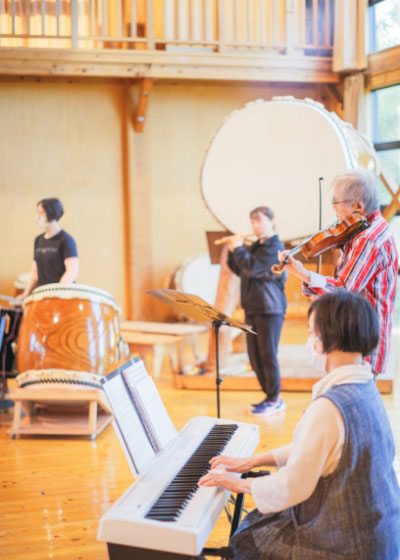
Designed with the resonant sound of taiko in mind, our timber hall is also well suited to acoustic instruments, choirs, and dance practices and performances. Beyond the arts, corporate and community groups use the Centre for diverse activities, ranging from cooking classes to exhibitions, seminars to symposiums. We look forward to discussing your needs.
Hall ¥2,000
Exhibition Room ¥300
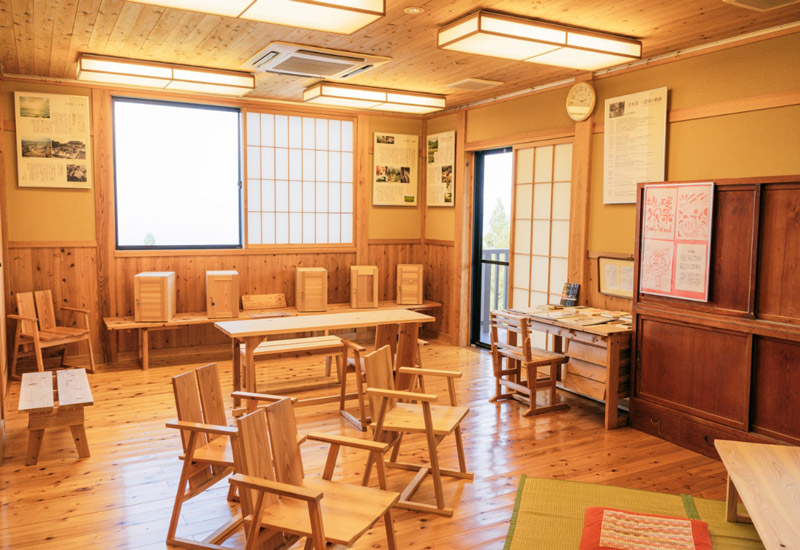
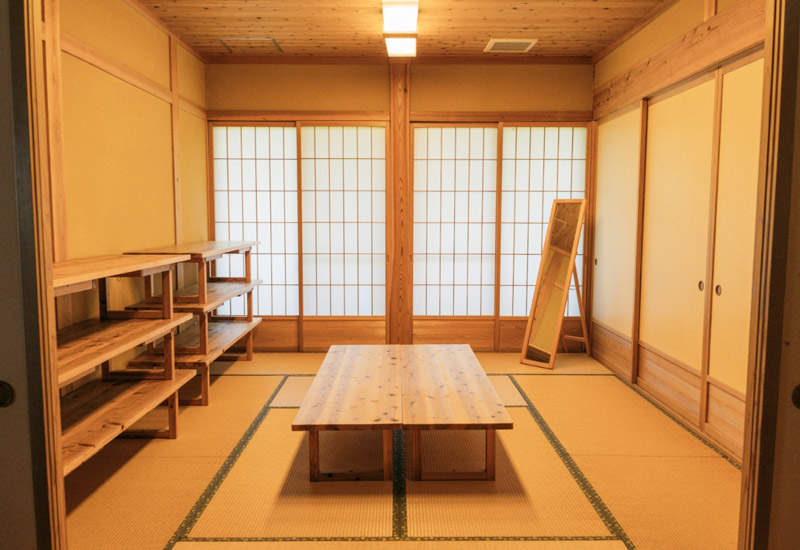
Japanese-style Room* ¥300
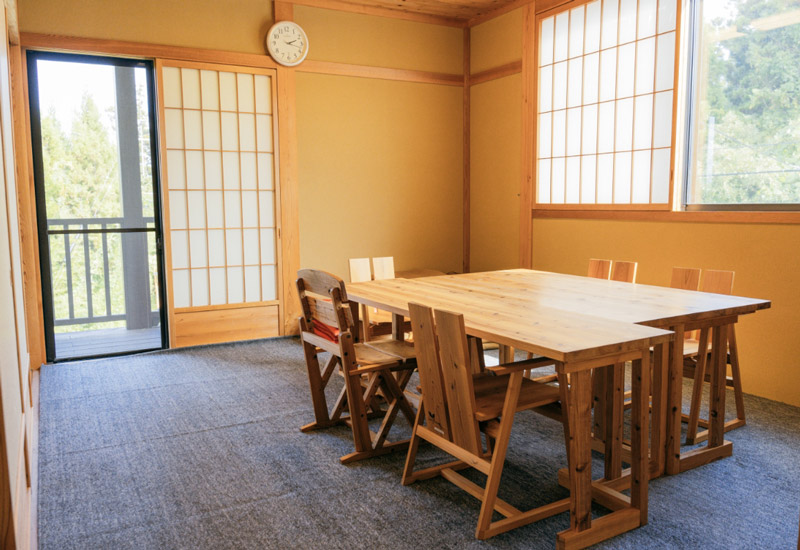
Meeting Room ¥300
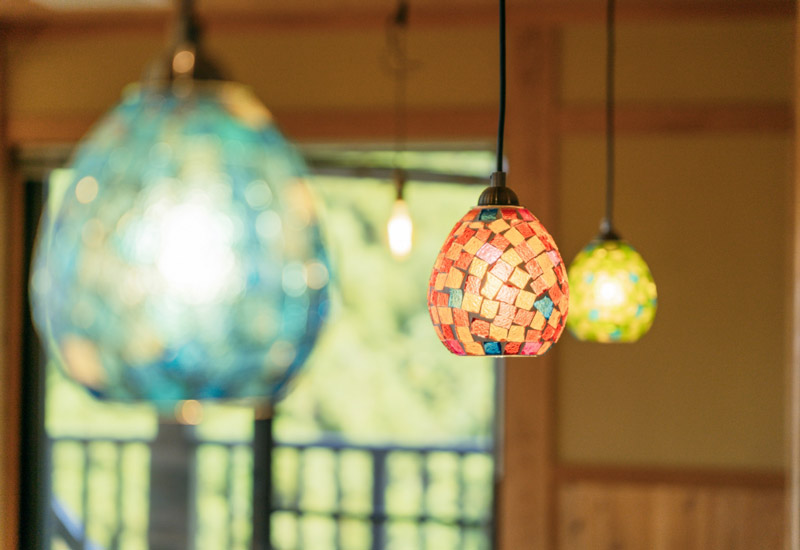
T’s Cafe ¥1,000
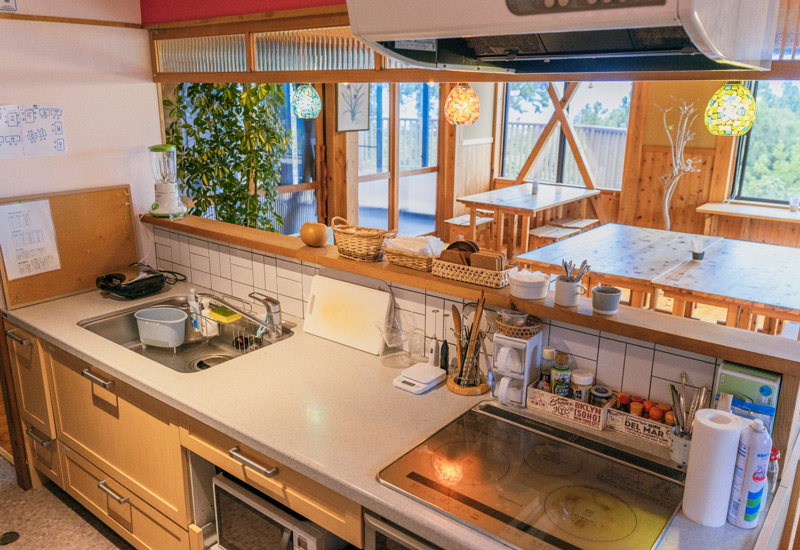
*This room has tatami flooring. All other rooms have wooden flooring.
| Facility Hire (per hour) | ||||||
|---|---|---|---|---|---|---|
| Hall | T’s Cafe | Cafe Deck Area | Exhibition Room | Japanese-style Room | Meeting Room | |
| Standard | ¥2,000 | ¥1,000 | ¥1,000 | ¥300 | ¥300 | ¥300 |
| Evening | ¥3,000 | ¥1,500 | ¥1,500 | ¥450 | ¥450 | ¥450 |
| Commercial | ¥4,000 | 20% of sales | 20% of sales | ¥600 | ¥600 | ¥600 |
| Air Conditioning | ¥500 | ¥500 | ¥500 | ¥500 | ¥500 | ¥500 |
| Kitchen | - | ¥500 | - | - | - | - |
| Taiko | ¥500 per person | - | - | - | - | - |
*Advance bookings are required.